
Our Weekend Family Dinners: Building Healthy Habits One Meal at a Time
Family dinners are about more than just food. Join me as I share our weekend meals, simple ways to encourage kids to try new foods, and why colorful fruits and vegetables have a place on every family table.
Steffani Baty
6/7/20263 min read
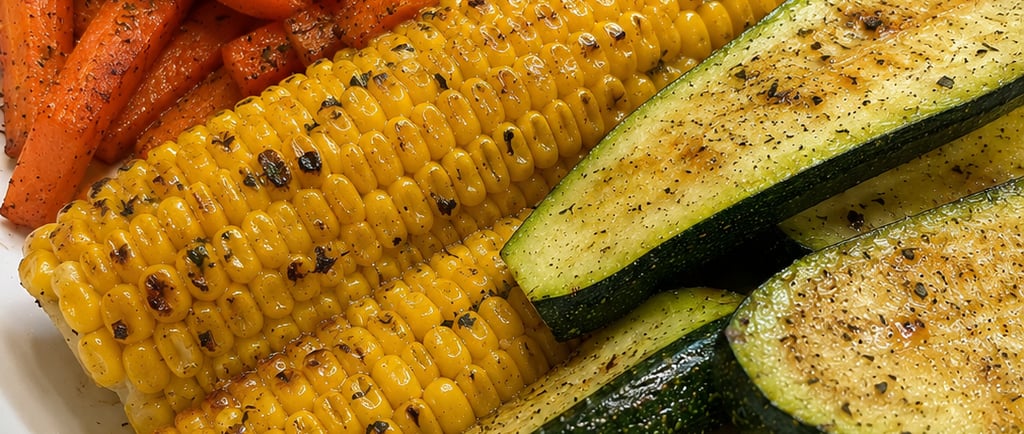
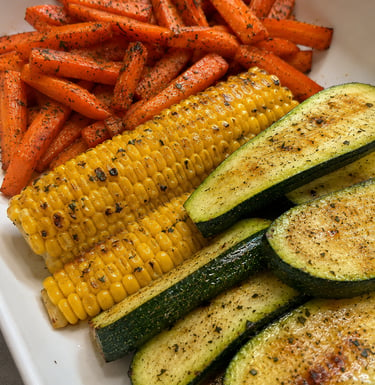
Getting kids to eat vegetables can seem like an impossible task some days. Some of our kids are adventurous eaters, while others are a little more hesitant when it comes to trying new foods. On the weekends, I love making big family dinners (maybe it’s the Portuguese in me!) There’s something special about gathering around the table with a hearty entrée and multiple sides for everyone to choose from.
This weekend, I made chicken drumsticks and wings with a variety of seasonings and sauces. Some were spicy, some were mild, and some had a little extra kick for those who enjoy heat. For our side dishes, I roasted purple potatoes and prepared a colorful assortment of vegetables. The following evening, we continued the tradition with a family rib dinner paired with even more vegetables, a fresh fruit salad, and a homemade macaroni and cheese bake.
One thing I always try to do when preparing meals is include a variety of options. While I love serving fruits and vegetables, I also like including foods I know the kids already enjoy. The macaroni and cheese bake was a huge hit and helped create a meal where everyone found something they were excited to eat. When kids see familiar foods alongside new ones, they often feel more comfortable exploring what’s on their plate.
Another bonus? Macaroni and cheese can be a great place to sneak in extra nutrition. Pureed cauliflower, butternut squash, carrots, sweet potatoes, or even a handful of finely blended spinach can be mixed into the cheese sauce. Many kids won’t even notice the difference, and it can be an easy way to add a little extra nutrition to a family favorite.
When it comes to introducing new foods, exposure is one of the most powerful tools we have as parents. I always try to include a variety of colors and textures so the kids have options to choose from. We even encourage them to pick one new food they’d like to try. Sometimes, they discover a new favorite!
Why Vegetables Matter
Vegetables are packed with nutrients that help support growing bodies. They provide vitamins, minerals, fiber, and antioxidants that contribute to healthy digestion, strong immune systems, and overall wellness. Different colored vegetables offer different benefits, which is why I love serving a variety whenever possible.
Fiber-rich vegetables can also help kids feel satisfied after meals and support healthy digestive habits. Regularly seeing vegetables on the dinner table helps normalize them as a part of everyday eating rather than something children feel pressured to eat.
Why Fruit Deserves a Place on the Table Too
Fruit often feels like nature’s dessert, and that’s one reason kids tend to enjoy it. Fresh fruits provide important vitamins, minerals, hydration, and fiber while satisfying a natural craving for sweetness.
Adding fruit salad to our family dinners gives the kids another colorful option and introduces them to different flavors and textures. Whether it’s berries, melon, grapes, pineapple, oranges, or apples, fruit can be an easy and enjoyable way to encourage healthy eating habits.
Helping Kids Learn to Enjoy New Foods
One of the biggest lessons I’ve learned as a parent is that food acceptance takes time. A child may reject a food several times before deciding they actually like it. That’s completely normal.
1. Keep Offering Without Pressure
Encourage tasting, but avoid turning mealtime into a battle. The goal is to create positive experiences around food.
2. Pair New Foods With Familiar Favorites
Serving a new vegetable alongside something your child already enjoys, like macaroni and cheese, can help make trying new foods feel less intimidating.
3. Let Kids Participate
Children are often more interested in eating foods they’ve helped prepare. Washing vegetables, stirring ingredients, or helping assemble a fruit salad can make them more invested in the meal.
4. Make Meals Colorful and Fun
Colorful plates naturally attract children’s attention. Different colors also often mean a wider variety of nutrients.
5. Celebrate Small Wins
Maybe they only smell the broccoli today or take one tiny bite of a pepper. That’s okay. Every positive interaction with a new food counts.
Family Dinners Are About More Than Food
While I love preparing healthy meals, my favorite part of family dinners isn’t the vegetables, fruit, ribs, or macaroni and cheese, it’s the time spent together. These meals create opportunities for conversation, laughter, and connection after busy weeks.
Healthy habits aren’t built from one perfect meal. They’re built through consistency, exposure, and positive experiences. This weekend’s dinners reminded me that sometimes the best way to encourage healthy eating is simply to offer variety, keep things enjoyable, and gather around the table together as a family.